Whatsapp
 Enquiry Now
Whatsapp Enquiry Now


India’s solar energy sector is expanding rapidly as the country continues to invest in sustainable and renewable energy infrastructure. Solar power plants, rooftop solar systems, and large utility-scale installations are becoming increasingly common across industrial, commercial, and residential sectors. While solar panels and inverters are often the most visible components of these systems, the reliability of the entire installation depends heavily on smaller mechanical elements such as fasteners.
Solar mounting structures must withstand extreme environmental conditions, including strong winds, heavy rainfall, high temperatures, and long-term outdoor exposure. This makes solar structure fastening a critical part of solar infrastructure design. High-quality solar panel fasteners and durable renewable energy fasteners help maintain structural integrity, ensure long-term system performance, and reduce maintenance costs over the lifespan of solar installations.
For solar developers, EPC contractors, and infrastructure companies in India, selecting the right fasteners is essential for building reliable and durable solar mounting systems.
Solar mounting structure fasteners are mechanical components used to connect and secure solar panels to mounting frames and supporting structures within photovoltaic (PV) installations.
Solar mounting structure fasteners are specialised hardware components used to secure solar panels and structural frames in photovoltaic systems. These fasteners ensure durability, structural stability, and resistance to environmental stresses such as wind loads, corrosion, and temperature fluctuations.
Common types of solar panel fasteners include:
Each component within a solar mounting system relies on properly designed fasteners to maintain safe and stable installations.
Solar energy installations are long-term infrastructure investments designed to operate efficiently for 20–30 years. The performance and safety of these systems depend on reliable solar structure fastening.
Solar panels are mounted on metal frames that must support weight while resisting wind loads and environmental stress. High-quality solar panel fasteners ensure the mounting system remains stable over time.
Solar installations operate in outdoor environments where exposure to rain, UV radiation, dust, and humidity can affect materials. Durable, renewable energy fasteners provide corrosion resistance and maintain structural reliability.
Improper fastening can lead to loose structures, misaligned panels, or damaged mounting systems. Reliable fastening solutions reduce maintenance requirements and operational disruptions.
Large solar projects must comply with engineering standards and safety regulations. Proper fastener selection ensures that mounting structures meet required load-bearing and safety specifications.
Solar mounting systems consist of multiple structural components that must be securely connected for safe operation. Solar panel fasteners ensure proper assembly and structural integrity across these systems.
Solar panels are secured to mounting rails using clamps and bolts that maintain panel alignment and stability.
Mounting rails are attached to structural supports using heavy-duty fasteners capable of withstanding wind loads and environmental forces.
In ground-mounted solar systems, anchor fasteners connect mounting structures to foundations or soil anchors.
Some fastening systems allow installers to adjust panel orientation for optimal installation and maintenance.
These engineered solar structure fastening solutions ensure reliable performance across large-scale solar installations.
Solar infrastructure requires fasteners that meet strict engineering standards.
Outdoor solar installations require fasteners made from corrosion-resistant materials such as stainless steel or coated metals.
Solar structures must support heavy panels and withstand environmental loads. Strong renewable energy fasteners ensure structural reliability.
Solar panels and mounting structures expand and contract due to temperature changes. Fasteners must maintain secure connections despite these variations.
Continuous exposure to sunlight and weather conditions requires fasteners that maintain strength and durability.
Since solar systems operate for decades, solar panel fasteners must deliver reliable performance with minimal maintenance.
Large solar installations often require high-performance fastening technologies that provide strong, vibration-resistant, and long-lasting structural connections.
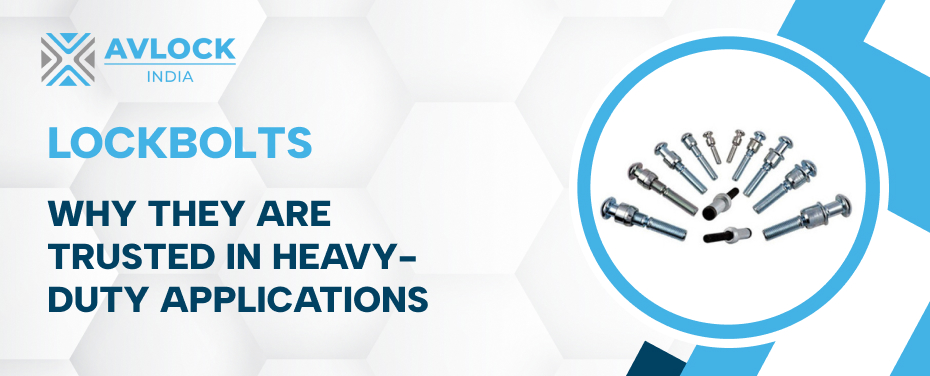
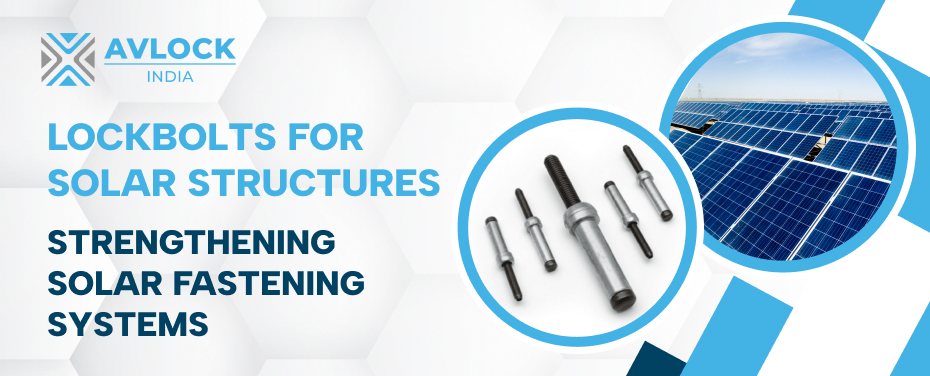
Advanced fastening solutions such as Hydraloc Lockbolts, Hydrabom, and Hydrabolt MB are designed to support demanding structural applications commonly found in renewable energy infrastructure.

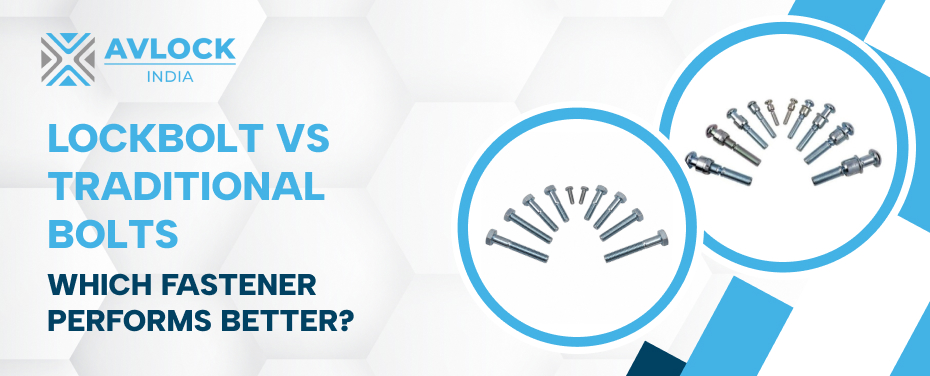
High-strength Hydraloc Lockbolts create permanent vibration-resistant joints, making them suitable for solar mounting structures exposed to wind loads and structural stress.

HydraBom fastening systems are designed for heavy-duty structural applications and can be used in solar infrastructure requiring high clamping force and durability.

Hydrabolt MB fasteners offer strong load-bearing performance and are commonly used in structural installations that require precise and reliable fastening.
Solar infrastructure developers often rely on engineered fastening solutions from experienced manufacturers such as Avlock International India Pvt. Ltd., which specialises in high-performance fastening systems for industrial and renewable energy applications.
The renewable energy sector continues to evolve, driving innovations in fastening technologies.
Large solar farms require advanced fastening systems capable of supporting extensive structural frameworks.
New coating technologies improve fastener durability in outdoor environments.
Modern mounting systems use lightweight materials that require specialised fastening solutions for solar structures.
Innovative fastening systems help reduce installation time and labour costs for large solar projects.
These advancements help improve efficiency and reliability in renewable energy infrastructure.
Solar developers sometimes underestimate the importance of fastener selection.
Common mistakes include:
Avoiding these issues ensures that renewable energy fasteners meet the durability requirements of solar infrastructure projects.
Solar developers and EPC companies should follow these best practices when selecting solar panel fasteners.
Stainless steel and coated fasteners provide better durability in outdoor environments.
Factors such as humidity, coastal exposure, and temperature variations should be considered.
Experienced manufacturers understand the unique engineering requirements of solar infrastructure.
Fasteners should meet relevant structural and quality certifications.
Testing fasteners under real operating conditions helps ensure long-term reliability.
Solar energy systems require reliable infrastructure components to ensure safe and efficient operation over decades. While solar panels and electrical equipment receive significant attention, fastening systems are equally important for maintaining structural stability.
By selecting high-quality solar panel fasteners that meet modern solar structure fastening requirements, solar developers can improve installation safety, durability, and system performance. Durable, renewable energy fasteners help ensure solar mounting structures remain secure under demanding environmental conditions.
Partnering with experienced manufacturers such as Avlock International India Pvt. Ltd. allows solar infrastructure developers to access advanced fastening solutions designed specifically for renewable energy applications.
Solar panel fasteners secure solar panels, mounting rails, and structural components within photovoltaic installations.
Solar systems are exposed to outdoor conditions, so corrosion-resistant fasteners help maintain structural durability.
Stainless steel, galvanised steel, and coated metals are commonly used due to their strength and corrosion resistance.
High-quality fasteners should last the entire lifespan of the solar installation, typically 20–30 years.
Standard fasteners are not recommended because they may not withstand environmental exposure and structural loads.