Whatsapp
 Enquiry Now
Whatsapp Enquiry Now

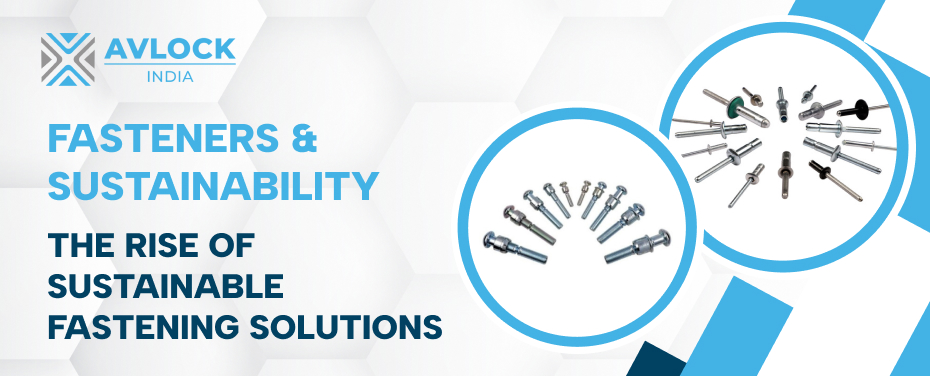
Fasteners may appear small, but their environmental footprint is significant. Every bolt, nut, or lockbolt requires raw materials, energy, water, and transportation. When multiplied across global infrastructure, automotive, energy, and construction sectors, the environmental impact of fastener manufacturing becomes impossible to ignore.
This article explains how fastener manufacturing affects the environment and how sustainable practices are reshaping the industry. You will understand key impact areas, regulatory pressures, material choices, and how fastener manufacturers in India, such as Avlock International India, are aligning performance with environmental responsibility.
The environmental impact of fastener manufacturing begins long before production starts. It extends from raw material extraction to end-of-life disposal. Each stage carries environmental costs that you should understand if sustainability matters to your supply chain.
Steel, stainless steel, aluminium, and specialty alloys dominate fastener production. Mining and refining these metals contribute heavily to environmental degradation.
Key impacts include:
Steel production alone accounts for a large share of global industrial emissions. This makes raw material sourcing a critical factor in the environmental impact of fastener manufacturing.
Fastener manufacturing relies on energy-intensive processes. Cold forging, hot forging, heat treatment, and surface finishing all require substantial power.
If powered by fossil fuels, these stages increase carbon emissions. Reducing energy intensity is essential to lowering the environmental impact of fastener manufacturing.
Many manufacturers now invest in:
These measures reduce emissions without compromising fastener strength or performance.
Water plays a major role in fastener manufacturing, especially during surface treatment and cleaning.
Processes such as plating, phosphating, and washing require large volumes of water. Improper handling leads to:
Responsible water management directly reduces the environmental impact of fastener manufacturing.
Modern facilities focus on:
These steps protect ecosystems while ensuring regulatory compliance.
Surface coatings improve corrosion resistance, but they also pose environmental risks if poorly managed.
Common issues include:
Such practices significantly increase the environmental impact of fastener manufacturing.
Sustainable options include:
These technologies reduce toxicity while maintaining durability.
Fastener manufacturing produces waste in the form of scrap metal, rejected parts, and packaging materials.
Poor waste management increases environmental harm and operational costs.
Manufacturers reduce waste by:
A circular approach lowers the environmental impact of fastener manufacturing while improving efficiency.
Carbon emissions remain one of the most critical sustainability concerns.
Reducing emissions requires changes across the value chain.
Forward-thinking manufacturers implement:
These strategies directly address the environmental impact of fastener manufacturing.
Environmental regulations are reshaping manufacturing practices worldwide. Compliance is no longer optional.
Failure to comply risks fines, shutdowns, and reputational damage.
Many fastener manufacturers align with:
These frameworks encourage responsible manufacturing practices.
Material selection plays a crucial role in sustainability.
Using recycled steel and aluminium:
This approach significantly reduces the environmental impact of fastener manufacturing.
Advanced engineering allows:
Durable fasteners lower lifecycle emissions and waste.
Sustainability requires more than policy statements. It demands measurable action.
Manufacturers adopt:
Efficiency improvements benefit both the environment and production costs.
Sustainable fastener manufacturing includes:
A transparent supply chain supports long-term sustainability goals.
Design decisions influence sustainability from production to end use.
High-performance fasteners:
Longer service life reduces replacement frequency and environmental impact.
Fasteners that install faster:
Smart design supports sustainable construction and infrastructure.
Avlock International India recognizes that performance and sustainability must coexist. The company integrates environmental responsibility into its manufacturing philosophy.
Key sustainability commitments include:
By focusing on engineered fastening systems with long service life, Avlock helps reduce the environmental impact of fastener manufacturing across industries.
Choosing sustainable fasteners benefits more than the environment.
You gain:
Sustainable fasteners align with modern project requirements and stakeholder expectations.
The fastener industry continues to evolve under environmental pressure.
Key trends include:
These developments will further reduce the environmental impact of fastener manufacturing.
The environmental impact of fastener manufacturing is real, measurable, and increasingly important. As a buyer, engineer, or project manager, your choices influence resource consumption, emissions, and waste.
By supporting manufacturers committed to sustainable practices such as Avlock, you help build infrastructure that is not only strong and reliable but also environmentally responsible.
Sustainable fastener manufacturing is no longer a future goal. It is a present responsibility that shapes safer industries and a healthier planet.