Whatsapp
 Enquiry Now
Whatsapp Enquiry Now

Introduction: Why Corrosion Is the Costliest Silent Threat in Outdoor Fastening
Every year, corrosion costs Indian industry an estimated ?2–3 lakh crore and a significant portion of that damage begins with one small but critical component: the fastener.
Whether you are constructing solar panel mounting systems, railway infrastructure, coastal industrial facilities, or mining equipment, outdoor fasteners face relentless exposure to moisture, salt, chemicals, and temperature cycling. Choosing the wrong fastener material is not just an engineering oversight, it is a maintenance liability that compounds over time.
This guide is your complete 2026 reference for corrosion-resistant fasteners for outdoor use. We cover materials, coatings, real-world applications, and how to select the right anti-corrosion fastener for your specific environment.
Corrosion resistance in fasteners comes from two primary mechanisms: the base material itself and any secondary surface treatment or coating applied.
• Stainless Steel (A2 / A4 Grade): The most widely used material for outdoor fasteners. A4-grade (316 stainless) offers superior resistance to chlorides and is ideal for marine, coastal, and chemical environments. A2 (304) works well in general outdoor applications with moderate humidity.
• Aluminium Alloys: Lightweight and naturally oxide-forming, aluminium fasteners are excellent for solar mounting structures and roofing. They form a self-protecting oxide layer that prevents further oxidation.
• Monel & Inconel: Used in extreme chemical and high-temperature environments such as petrochemical plants and offshore platforms. Higher cost but superior performance.
• Carbon Steel with Coatings: When cost is a constraint, carbon steel fasteners with zinc plating, hot-dip galvanisation, or geomet coatings offer adequate corrosion protection for moderate outdoor environments.
• Hot-Dip Galvanising (HDG): Provides a thick zinc coating, excellent for structural outdoor applications like bridges, railway wagons, and construction. Suitable for aggressive atmospheric conditions.
• Electroplating (Zinc / Cadmium): Thinner coating than HDG; suitable for light-to-medium outdoor exposure. Cadmium plating is used in aerospace and defence for salt-spray resistance.
• Geomet / Dacromet Coating: A zinc-flake coating with no hydrogen embrittlement risk ideal for high-strength fasteners. Widely used in automotive and construction equipment exposed to weather.
• PTFE / Xylan Coating: Adds dry-film lubrication along with corrosion protection. Valuable in flanged joints and pipeline bolting.
No single fastener material suits every outdoor setting. Here is a practical breakdown by exposure environment:
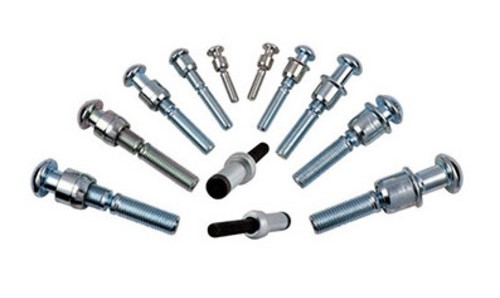
Salt-laden air accelerates galvanic and crevice corrosion at rapid rates. The right choice here is A4 (316L) stainless steel blind rivets or stainless-steel lockbolts with a PTFE or passivated finish. Aluminium substrates should use stainless-to-aluminium rivets with isolation grommets to prevent galvanic coupling.
Facilities near chemical plants, fertiliser manufacturing, or effluent-heavy zones require Monel or Hastelloy fasteners for maximum chemical resistance, or at minimum, A4 stainless with a Xylan coating.
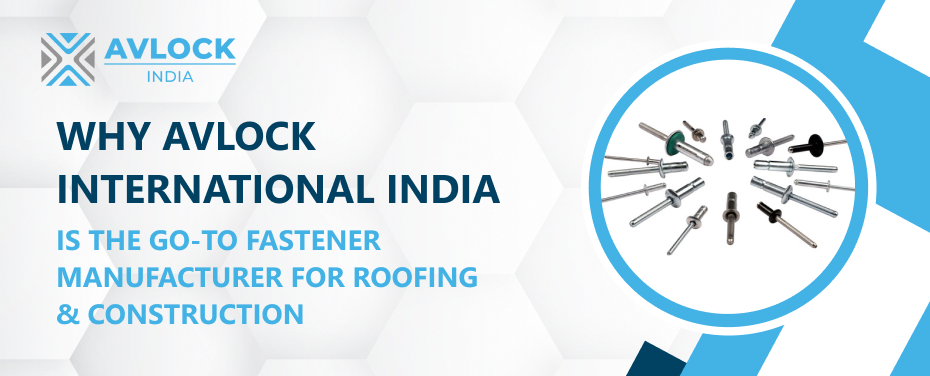
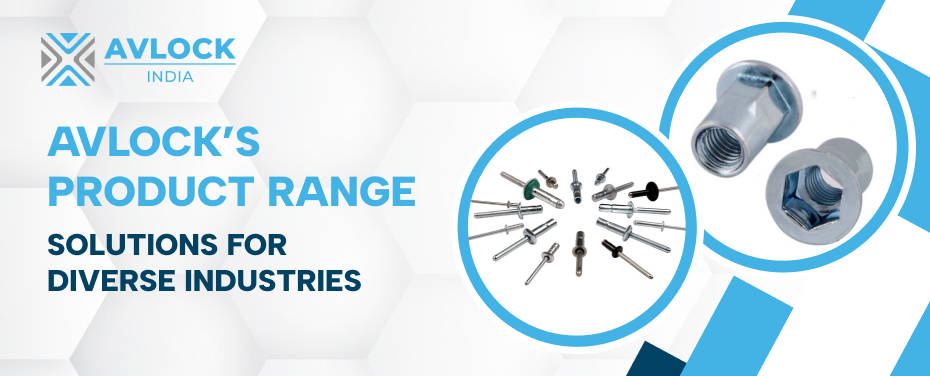
India's solar sector demands fasteners that withstand 25+ years of UV, rain, and thermal cycling. Hot-dip galvanised structural bolts, stainless steel blind rivets, and aluminium-bodied rivets with stainless mandrels are the backbone of a reliable mounting structure. Avlock's stainless steel blind rivets are used extensively in Indian solar installations.
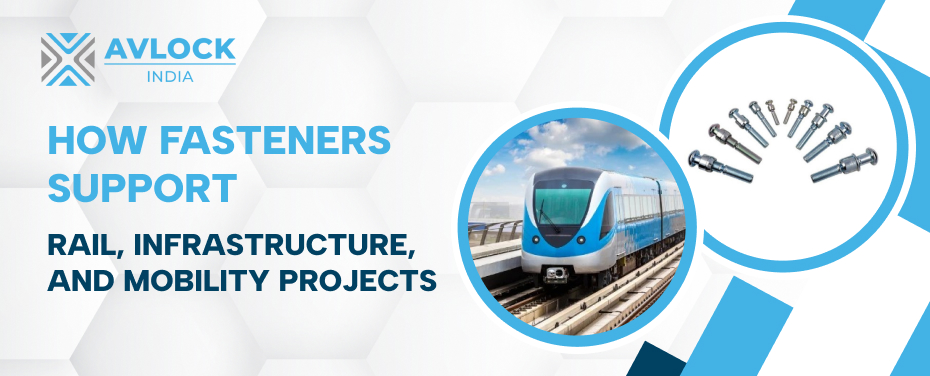
Indian Railways specify high-strength lockbolts and structural blind rivets for wagon building, bridge maintenance, and track infrastructure. These require hot-dip galvanised or geomet-coated fasteners that meet IS/IRS standards for tensile and shear performance.
When specifying corrosion-resistant fasteners for outdoor use, engineers and procurement managers should evaluate the following parameters:
• Environment category (C1 to C5 per ISO 12944) - determines required coating thickness
• Base material compatibility - avoid incompatible metals to prevent galvanic corrosion
• Mechanical requirements - tensile strength, shear load, and joint type (lap, butt, structural)
• Accessibility - if only one-side access is available, blind rivets or lockbolts are the right choice
• Service life expectation - specify accelerated salt-spray test hours (e.g., 500 hrs, 1000 hrs per ASTM B117)
• Regulatory compliance - IS, ASTM, DIN, or customer-specific approvals
Here is a quick comparison of the most common materials for outdoor fasteners:
|
Material |
Corrosion Rating |
Best For |
Cost |
Typical Use |
|
A4 SS (316) |
Excellent |
Marine/Coastal |
High |
Solar, offshore, railways |
|
A2 SS (304) |
Good |
General Outdoor |
Medium |
Construction, switchgear |
|
HDG Carbon Steel |
Good |
Structural |
Low |
Railway wagons, bridges |
|
Aluminium |
Good |
Lightweight Structures |
Medium |
Solar, roofing, bus body |
|
Geomet-coated |
Good |
High-strength |
Medium |
Automotive, heavy equipment |
• Match material to environment: A4 stainless for marine/coastal; HDG for structural/railway; aluminium for lightweight outdoor.
• Consider galvanic compatibility when mixing metals use isolation washers or matching material fasteners.
• Specify salt-spray test hours as a procurement requirement, not just coating type.
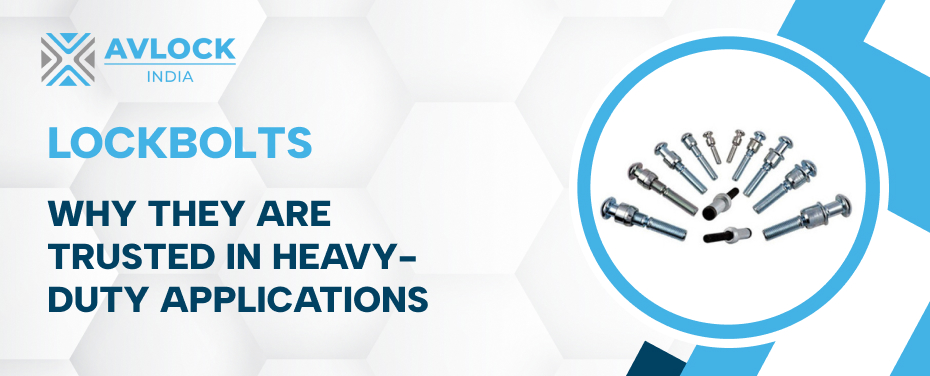
• For single-side access in outdoor structures, structural blind rivets or lockbolts are the engineered solution.
• Partner with a certified industrial fasteners supplier who can offer technical selection support, not just product catalogues.
A4 (316) stainless steel fasteners are the best choice for coastal environments due to their superior chloride resistance. For structural joints, stainless steel lockbolts or structural blind rivets with passivated finish are ideal.
Yes. Aluminium rivets form a natural oxide layer that protects them from atmospheric corrosion. However, avoid direct contact between aluminium rivets and carbon steel substrates — use stainless steel mandrel rivets or isolation pads to prevent galvanic corrosion.
Standard zinc plating offers moderate protection (typically 96–200 hrs salt spray). True anti-corrosion fasteners use A4 stainless, hot-dip galvanising (600+ hrs), or geomet/Dacromet coatings (1000+ hrs). The selection depends on ISO 12944 environmental category.
Yes, typically 20–60% more upfront. However, lifecycle cost analysis consistently shows higher ROI for anti-corrosion fasteners due to dramatically reduced maintenance, replacement frequency, and downtime costs over a 10–25 year service life.
Yes. Avlock India supplies fasteners to Indian Railways and is an experienced industrial fasteners supplier with certified products including hot-dip galvanised and stainless-steel variants that meet IRS and IS standards.
Looking for certified corrosion-resistant fasteners for your next project? Avlock India supplies anti-corrosion fasteners to leading industries across railways, solar, mining, and construction sectors. Our technical team can help you select the right fastener for your environment, load requirements, and service life expectations.
Visit avlock.co.in | Call: +91 22 6972 2300 | Email: marketing@avlock.co.in