Whatsapp
 Enquiry Now
Whatsapp Enquiry Now

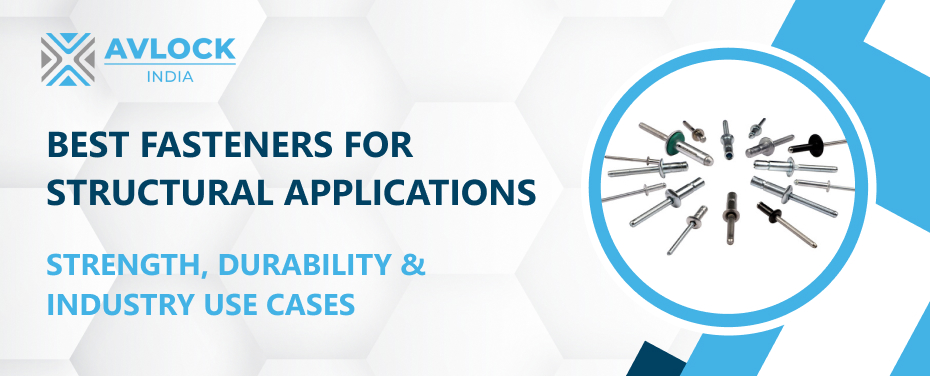
Structural joints carry loads, absorb vibration, and maintain safety over years of service. When a fastener fails, the structure fails with it. That is why selecting the best fasteners for structural applications is not a purchasing decision. It is an engineering responsibility.
This article explains how structural fasteners perform under real-world conditions. You will learn which fasteners suit different industries, how strength and durability differ by design, and how to select solutions that deliver long-term reliability across Automotive, Railway, Mining, Solar, and Metro Coach applications.
Structural fasteners are designed to handle high loads, fatigue stress, vibration, and environmental exposure without loosening or failing.
Understanding these characteristics helps you identify the most suitable fasteners for structural applications, avoiding both overdesign and underperformance.
Strength ratings matter, but structural performance depends on more than raw numbers.
The most effective structural fasteners balance strength with fatigue resistance and joint stability.
|
Feature |
Structural Fasteners |
Standard Fasteners |
|
Load Capacity |
High |
Moderate |
|
Vibration Resistance |
Excellent |
Limited |
|
Joint Consistency |
Predictable |
Variable |
|
Maintenance |
Minimal |
Frequent |
For safety-critical assemblies, standard fasteners often fall short. This is why industries rely on the best fasteners for structural applications rather than conventional solutions.
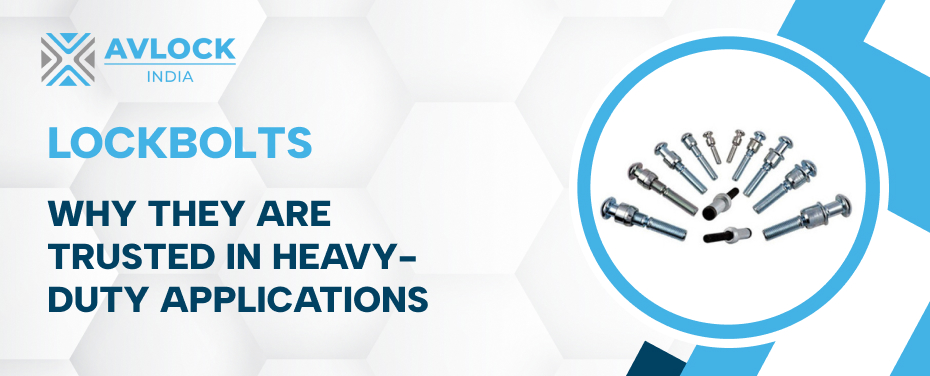
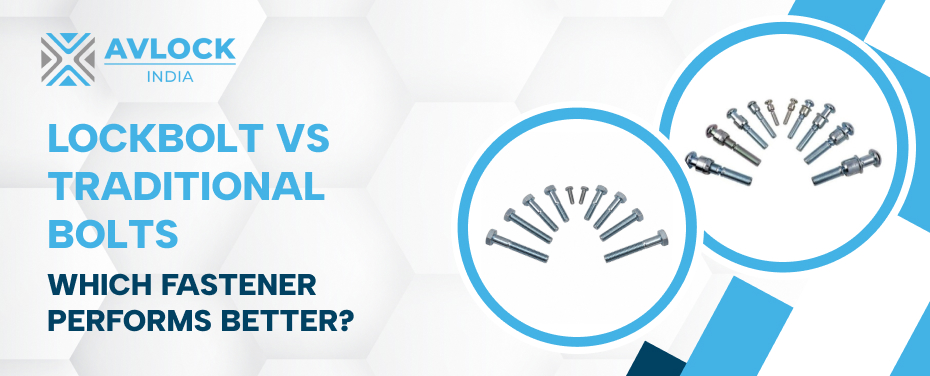
Lockbolts are among the most reliable structural fasteners for high-load environments.
Hydraloc Lockbolts provide permanent, vibration-resistant joints with excellent fatigue life.
Common Applications
These fasteners deliver consistent clamp force, making them ideal where safety and durability are non-negotiable.
Not all structural applications allow large fasteners.
They provide high strength in compact designs, supporting lightweight construction without compromising performance. This balance is essential when selecting the best fasteners for structural applications in modern manufacturing.
Hydrabolt MB combines the strength of a bolt with improved vibration resistance.
Ideal Use Cases
These structural fasteners perform well where disassembly may be required, but vibration resistance remains critical.
Blind rivets are no longer limited to light-duty use.
Structural blind rivets deliver high shear strength with one-side installation.
Advantages
They are widely used in Bus Body Builder, Electrical, and Sheet Metal industries, where access is restricted.
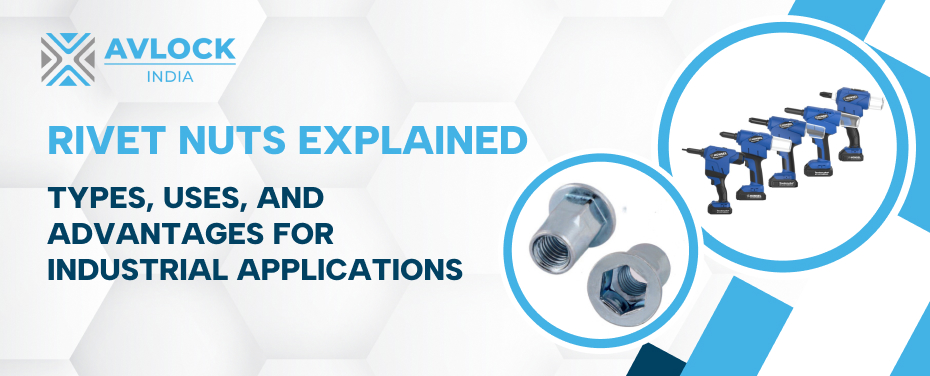
When base materials are thin, structural rivet nuts create strong threaded joints without welding.
Common Applications
They enable load-bearing joints while preserving material integrity.
Automotive structures face vibration, fatigue, and weight constraints. Small diameter lockbolts, structural rivets, and rivet nuts ensure durability without excess mass.
EV platforms demand lightweight yet strong fastening. Structural blind rivet nuts and studs support battery enclosures and motor housings.
Structural fasteners must resist constant vibration and passenger load. Lockbolts and structural rivets ensure joint reliability over long service cycles.
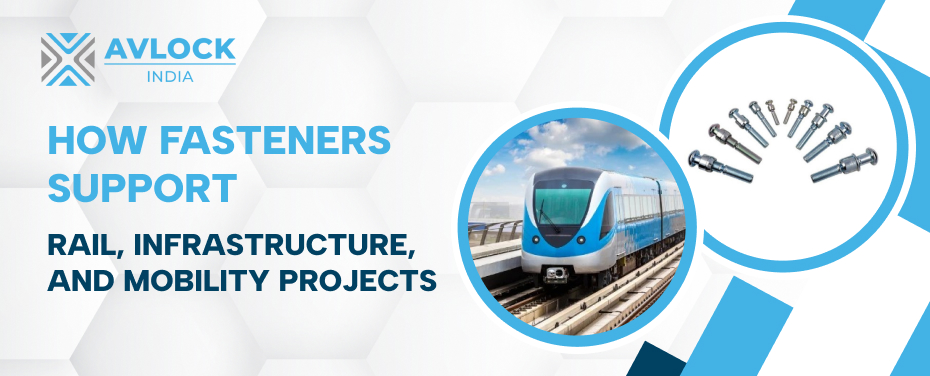
Safety standards are strict. Hydraloc Lockbolts and structural bolts provide fatigue resistance for rolling stock and infrastructure components.
Extreme loads and harsh environments require heavy-duty structural fasteners with corrosion protection and high shear strength.
Thermal cycling and weather exposure demand fasteners that maintain clamp force. Structural lockbolts and bolts ensure long-term system stability.
Structural rivets and inserts support enclosures while allowing efficient mass production.
Structural fasteners often operate outdoors or in harsh environments. Material selection and coatings extend service life.
Solar and railway applications demand fasteners that resist expansion, contraction, and UV exposure.
Durability directly affects which are truly the best fasteners for structural applications.
Even the strongest fastener fails if installed incorrectly.
Installation reliability is a major reason industries prefer engineered structural fasteners.
Lower-cost fasteners may fail earlier, increasing downtime and replacement costs.
When selecting the best fasteners for structural applications, consider:
Structural fasteners often deliver better lifecycle value despite higher initial cost.
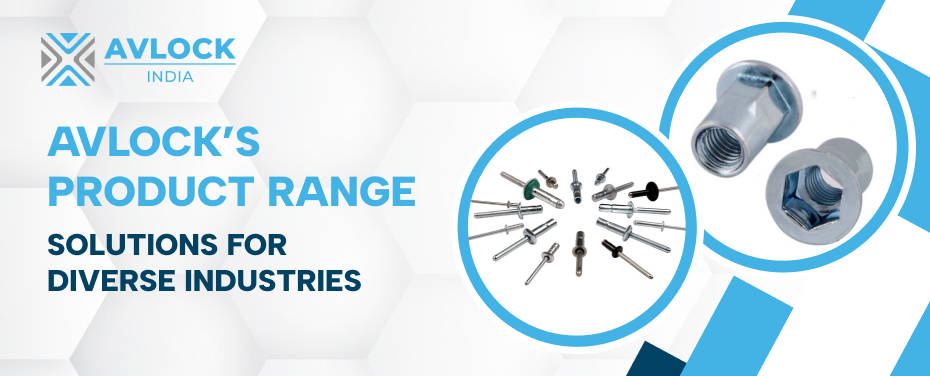
Avlock International India Pvt. Ltd offers a comprehensive portfolio of structural fasteners engineered for demanding industries.
Choosing the right partner simplifies how you implement the best fasteners for applications.
Structural joints demand more than basic fastening. They require solutions engineered for strength, fatigue resistance, and long-term reliability. By understanding load conditions, environments, and industry requirements, selecting the best fasteners for structural applications becomes a controlled, repeatable process.
Structural fasteners are not just components. They are safety-critical elements that protect assets, people, and performance over time.
Email: marketing@avlock.co.in
Call: +91 22 25872300
WhatsApp: +91 91520 94678