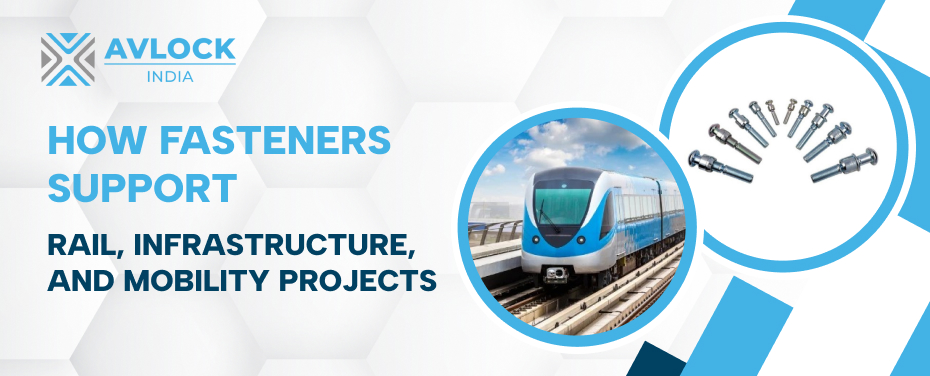
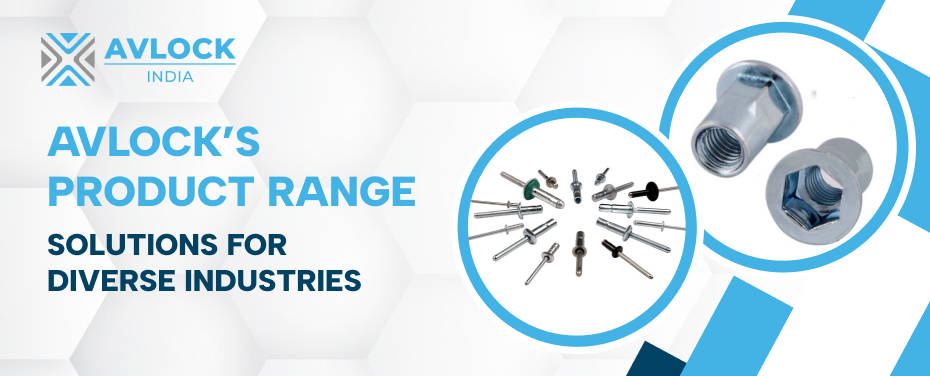
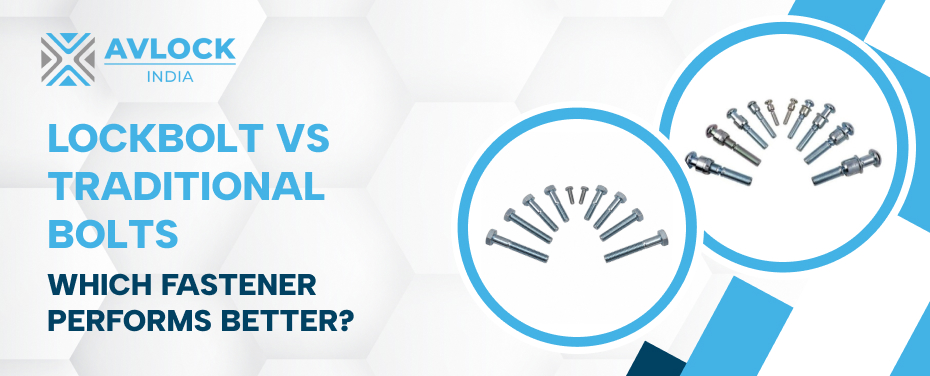
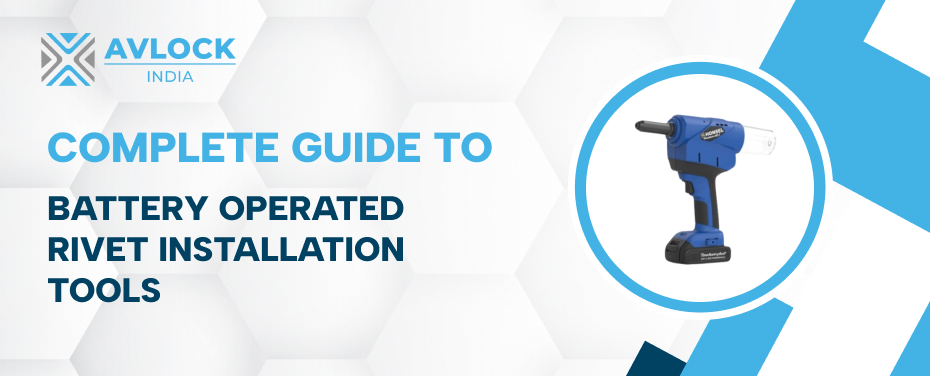
In the grand scheme of construction and manufacturing, a seemingly simple element holds immense power: the fastener. Fasteners are the unsung heroes, ensuring secure connections between various materials, from towering skyscrapers to delicate electronics. But with a multitude of types of fasteners available, navigating the options can be overwhelming. This comprehensive guide explores the fascinating world of fasteners, their diverse uses, and the materials they're crafted from.
Fasteners 101: A Typology for the Taking
The world of fasteners is vast and versatile, with each type designed for a specific purpose. Here's a breakdown of some common categories:
- Threaded Fasteners: These workhorses include screws, nuts, and bolts. Screws feature an external thread that cuts into the material, while nuts and bolts require a pre-threaded hole for a secure connection.
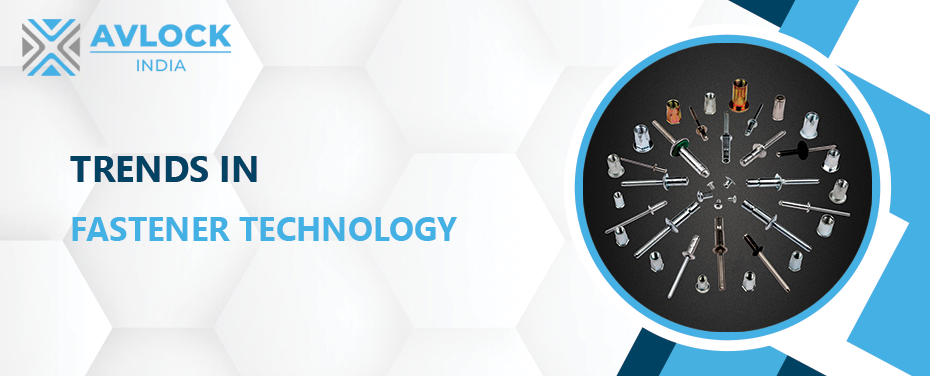
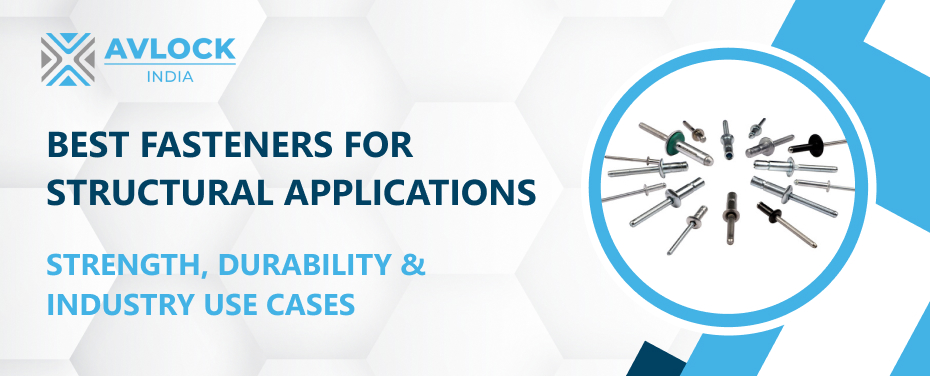
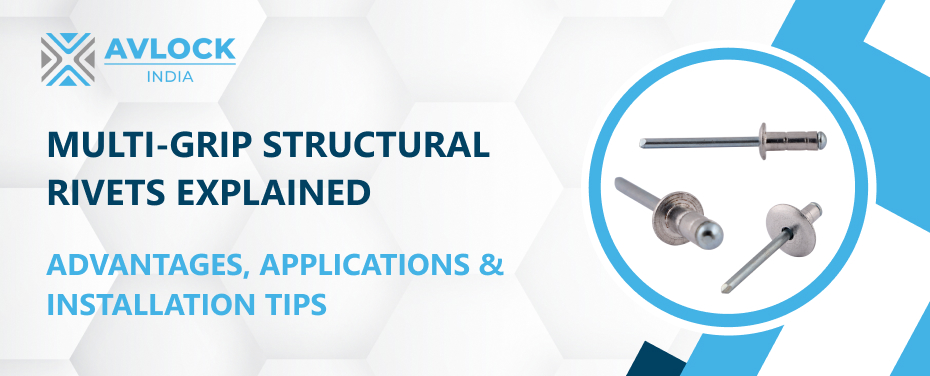
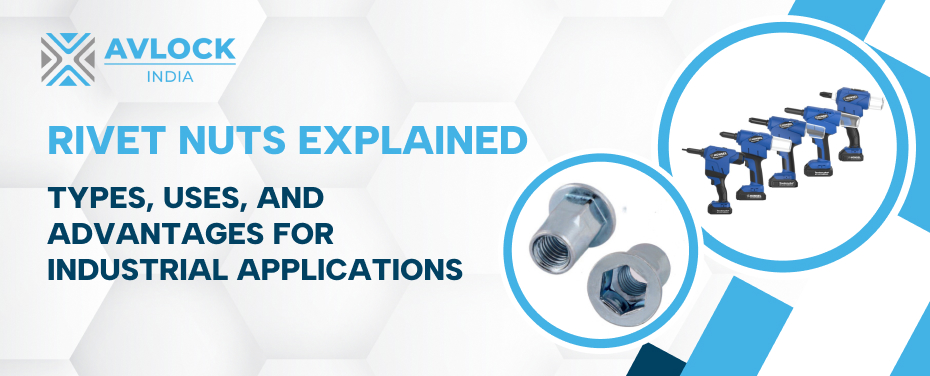
- Rivets: For permanent fastening, particularly in applications with limited access from one side, rivets offer a robust solution. A rivet shank is inserted through the materials and then expanded on the backside, creating a strong joint.
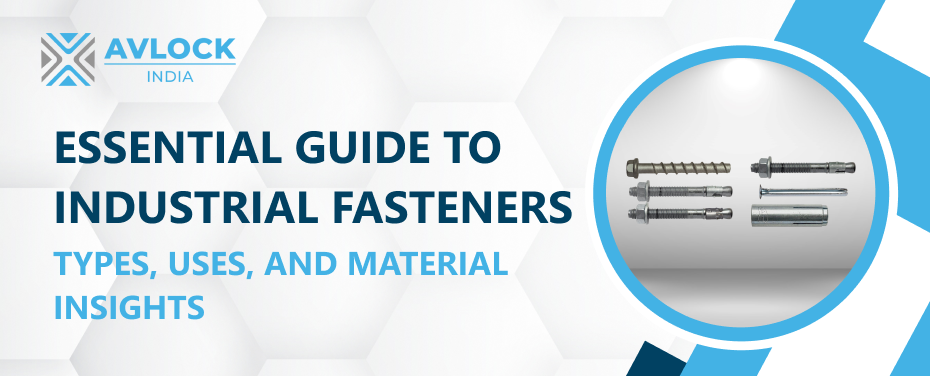
- Anchors: These specialized industrial fasteners provide secure connections in base materials like concrete or brick. They come in various types, each designed for specific anchoring needs.
- Welding Studs: These threaded studs are welded onto a base material, allowing for the subsequent attachment of other components using nuts or threaded fasteners.
Matching the Fastener to the Job: A Matter of Use
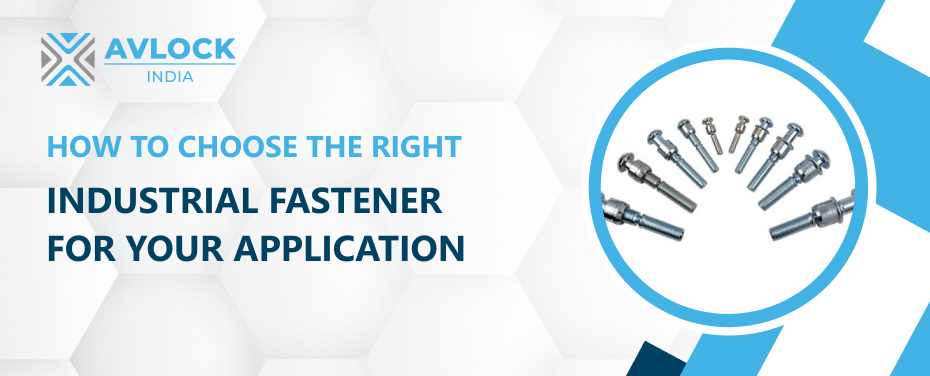
Choosing the right fastener for the job is crucial for a project's success. Here are some factors to consider when making your selection:
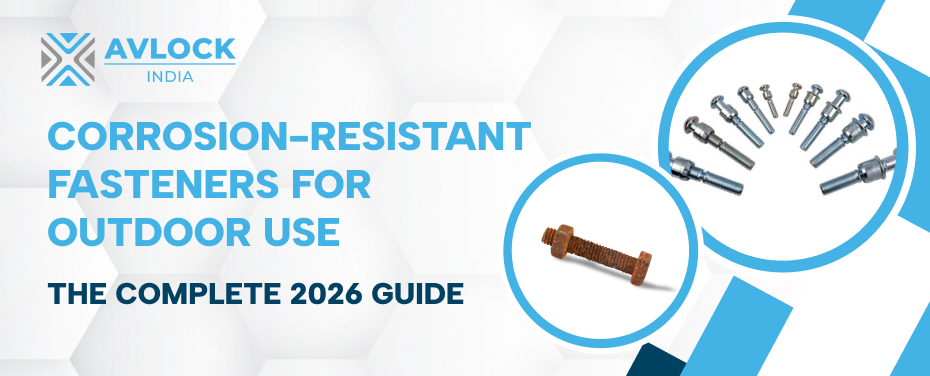
- Material Compatibility: Ensure the fastener material is suitable for the materials being joined. For example, stainless steel fasteners are ideal for outdoor applications due to their corrosion resistance.
- Strength Requirements: Consider the load the fastener will bear. High-tensile bolts are necessary for applications requiring exceptional strength.
- Environmental Factors: Will the fastener be exposed to harsh environments? Choose a material resistant to corrosion, extreme temperatures, or chemicals.
- Ease of Use: Consider the accessibility of the fastening point. Screws or blind rivets might be easier to use than nuts and bolts in tight spaces.
Building with Strength: Exploring Fastener Materials
The materials used for fasteners significantly impact their performance and suitability for different applications. Here's a look at some common choices:
- Steel: A widely used and cost-effective option, steel fasteners offer good strength and versatility. Stainless steel provides superior corrosion resistance.
- Brass: Offers good corrosion resistance and machinability, making it ideal for applications requiring a decorative finish.
- Aluminium: Lightweight and corrosion-resistant, aluminium fasteners are suitable for applications where weight is a concern.
- Nylon: Provides good insulation and is non-corrosive, making it ideal for electrical applications.
Avlock International: Your Partner in Fastening Expertise
At Avlock International, we are passionate about fasteners. We not only distribute a comprehensive range of high-quality industrial fasteners from leading manufacturers but also manufacture our own line of high-performance specialty fasteners Our team of experts can assist you in selecting the most suitable fastener type, material, and installation tools to ensure your project's success.
Contact us today to explore our extensive range of fasteners and discover how Avlock International can be your partner in building strength and security


 Whatsapp
 Enquiry Now